
Picking the right casino game on a phone is no longer a casual afterthought – it is the central decision most Aussie punters make today. Having shipped payment rails for licensed operators across Sydney and Melbourne for the better part of three decades, I treat every title through a mobile-first lens. This ranking weighs house edge, volatility, and session length against how cleanly each title runs on the devices people actually use – iPhones on the train, Samsungs at the pub, tablets on a Cairns verandah when the arvo humidity breaks.
The Odds Hierarchy – From Lowest House Edge to Highest
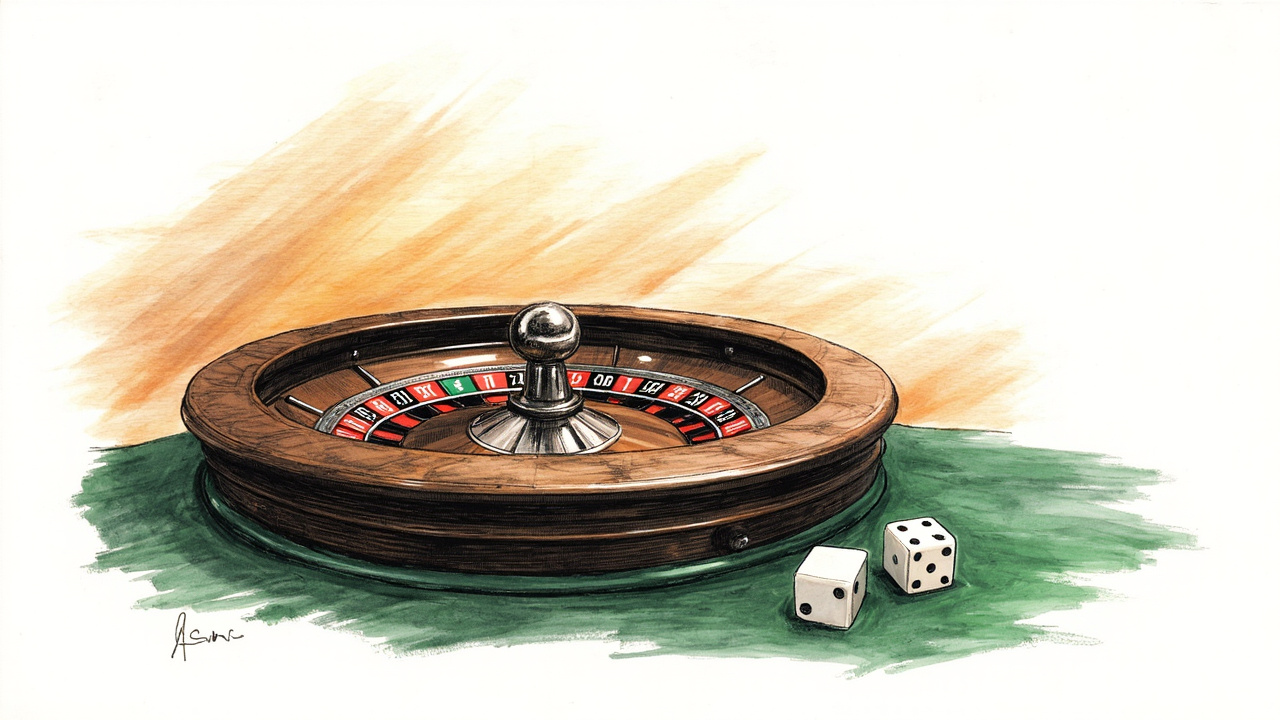
After three decades watching payout architectures in licensed jurisdictions from Malta to Sydney, I can tell you the order is settled science. Blackjack, played with basic strategy on a single deck, sits at the top with a house edge around 0.5%. Craps follows at roughly 1.4% on pass-line wagers. European roulette, single-zero, lands near 2.7%. American roulette with its double-zero wheel jumps to 5.26%. Video poker variants like Jacks or Better return close to 99.5% with optimal holds. Slots sit much lower – pub-style pokies range from 88% to 96% RTP depending on the venue’s licence conditions. Plinko sits lower still on the odds ladder when you consult operators like plinko-machine-au.com, which list the title at 96-97% RTP but flag variance as brutal on small bankrolls.
Mobile usability reshapes this ranking in ways few reviewers admit. A blackjack variant needs a chip tray that does not overlap the dealer’s upcard on a 6.1-inch screen. Craps survives poorly because of its multi-bet layout – I have watched competent punters fat-finger a hardway when the phone is held one-handed at a Cairns espresso bar. Roulette scales better because the betting grid is forgiving in portrait orientation. Slots are the natural fit for small screens; the spin button sits in the thumb arc and the pay-table overlay reads cleanly on a budget Android device. The math stays the same; the execution diverges by game. If you want the lowest edge, blackjack wins – but only on a phone large enough to keep the action buttons clear of the felt display.
Mobile Performance, App Strategy, and the Real Player Journey
Browser versus native app is no longer a debate in 2026 – both routes are legitimate, but they suit different players. A progressive web app loads instantly, skips an app-store surcharge, and respects the data-conscious punter on regional coverage from Townsville to Hobart. A native download typically wins on raw frame rate during long sessions, biometric login, and push-notification cadence. Across Australian operators and their UK and European counterparts, the pattern holds – the regulated European market tends to ship a heavier native app with tournament leaderboards whereas Australian-licensed sites lean on the browser shell to keep the install footprint small.
Here is how a typical Cairns punter moves through a session on mobile:
- Open the operator site or app from the home screen.
- Verify identity once through the federal Document Verification Service – biometric check completes in roughly ninety seconds.
- Deposit via PayID, POLi, or an integrated EFT transfer – the cashier is the single most fragile screen on a 6.7-inch handset.
- Navigate to the chosen title from a lobby that respects thumb reach – top categories stay above the fold.
- Play one session, cash out via the same PayID handle, and confirm the withdrawal lands before logging off.
Navigation matters as much as raw speed. The best mobile lobbies keep the cashier one tap from any reel or table, and the responsible-gaming limit settings no more than two taps from the deposit screen. Operators that bury the time-out controls behind an account dropdown lose me immediately – that is a usability failure, not a compliance checkbox.
How Overseas Markets Compare and the Verdict on Player Fit
Compared with the United States, where tribal and state-licence operators have spent years optimising their apps for the Las Vegas Strip demographic, Australian mobile products have optimised for a more distributed population – Cairns, Darwin, Alice Springs, regional WA – often on older handsets with patchy 4G. UK and European markets lean our service further toward browser-first delivery under stricter advertising rules; Australian sites carry similar restraint but have inherited stronger responsible-gaming protocols from the 2023 federal review. Where a Nevada mobile player gets a dozen tournament push notifications a day, an Aussie player gets one or two – fewer interruptions, less battery drain, less in-session engagement.
Alice Hall, Chief Financial Officer at Brighton Beach Betting Lab, frames the trade-off bluntly: “The Australian market has engineered mobile play for safety and bandwidth first, monetisation second. US-facing operators do the inverse – and the retention metrics favour the Australian approach once you account for player loyalty over twelve months.”
On odds, the ranking is honest: blackjack and video poker at the top, roulette in the middle, craps and baccarat close behind, then slots, then novelty games like plinko with their punishing variance. On mobile, the ranking reshuffles – slots and single-screen table games scale beautifully, multi-bet layouts struggle. If your primary device is a mid-range phone and sessions run under thirty minutes, prioritise European roulette, single-hand video poker, and high-RTP pokies. If you can handle a larger screen and have the patience for basic strategy, blackjack and craps reward you with the lowest edge in the catalogue.
For the average Cairns punter on a mid-range handset chasing the best mathematical return, blackjack and video poker lead the odds table, with European roulette as the cleanest mobile runner-up. Slots and plinko remain entertainment plays, not edge plays. Choose your screen size first, your strategy second, and the right title almost picks itself – no worries, the math will do the rest.
Recent Comments